


First-Time Dog Owner's Ultimate Guide: What You Need to Know
Dogs are human's best friends, and many pet parents keep dogs as companions. However, first-time dog owners can often feel anxious and overwhelmed, unsure of what they need to prepare. To provide your dog with a comfortable and healthy environment, proper preparation and ongoing care are crucial.

In this article, we'll provide tips to keep your dog happy, healthy, and safe.
Do you want to own a cute and loyal dog? Do you know the essential tips and precautions for dog ownership? This dog guide compiles various key points for dog ownership, helping new owners get started quickly.
7 Essential Tips for First-Time Dog Owners in Hong Kong: Article Directory
1. Sufficient Space and Time
Owning a dog requires sufficient space and time for them to rest and play. Provide a safe, clean, and comfortable living space for your canine friends, which can be a room, a dog house, or a yard.
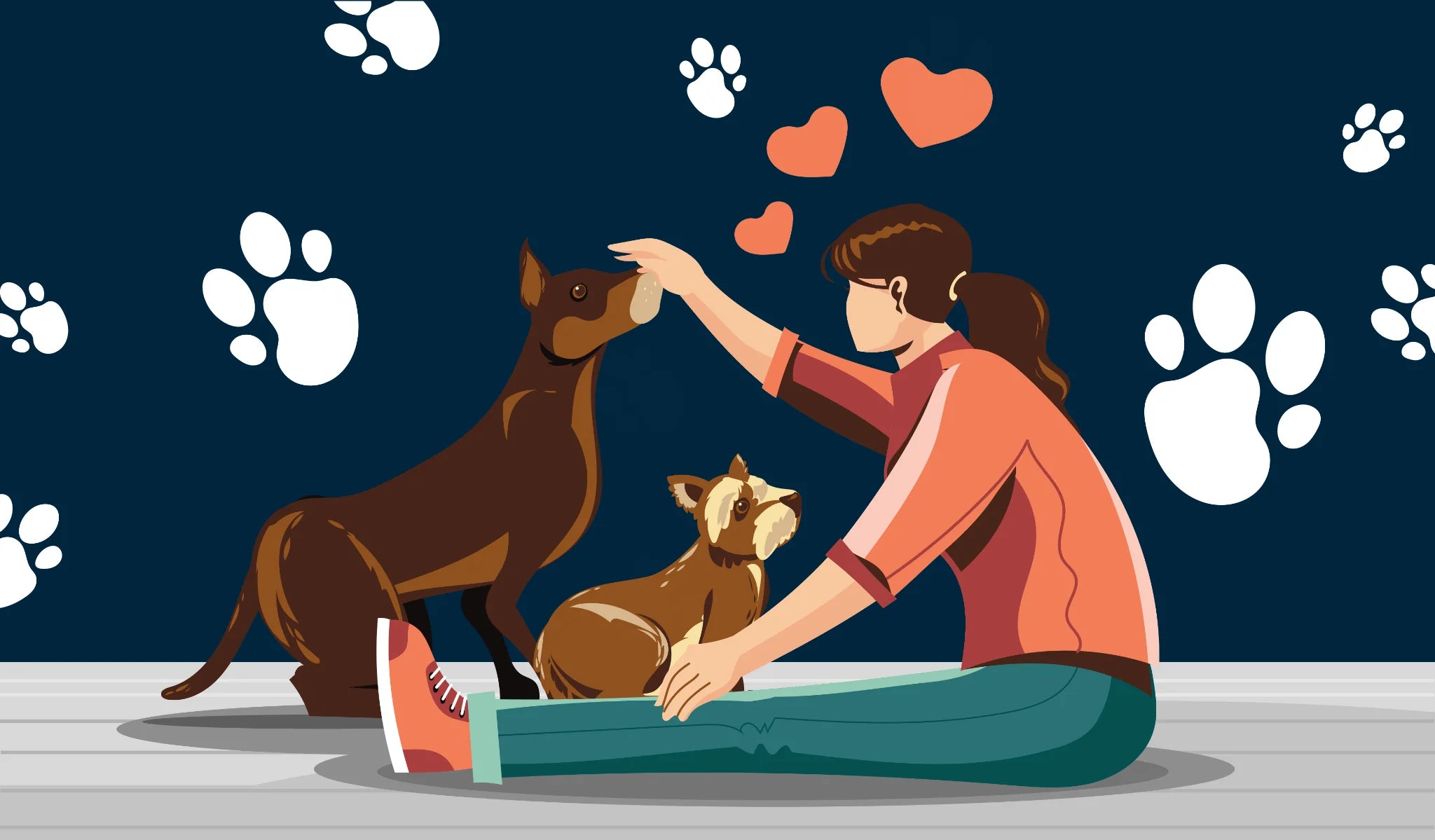
Of course, building a dog house will require an additional dog ownership expense to protect them from wind, sun, rain, or extreme cold. Regular exercise and training are also necessary dog ownership expenses. If you cannot follow this dog ownership tip, then you should reconsider your decision to own a dog.
Giving dogs enough space to move around is very important because dogs need proper exercise and activity to maintain physical and mental health.
If dogs don't have enough space to move around, it can lead to the following consequences:
- Lack of Exercise: If dogs don't have enough space to exercise, they can become lazy and not get enough physical activity, which may lead to health problems like obesity and cardiovascular disease.
- Behavioral Issues: Dogs need proper exercise and activity to expend their physical and mental energy. Otherwise, they may exhibit anxiety, destructive behaviors, aggression, and other behavioral problems.
- Health Problems: If dogs are confined to small spaces for extended periods, lacking exercise and activity, it can lead to health problems like joint disease and muscle atrophy.
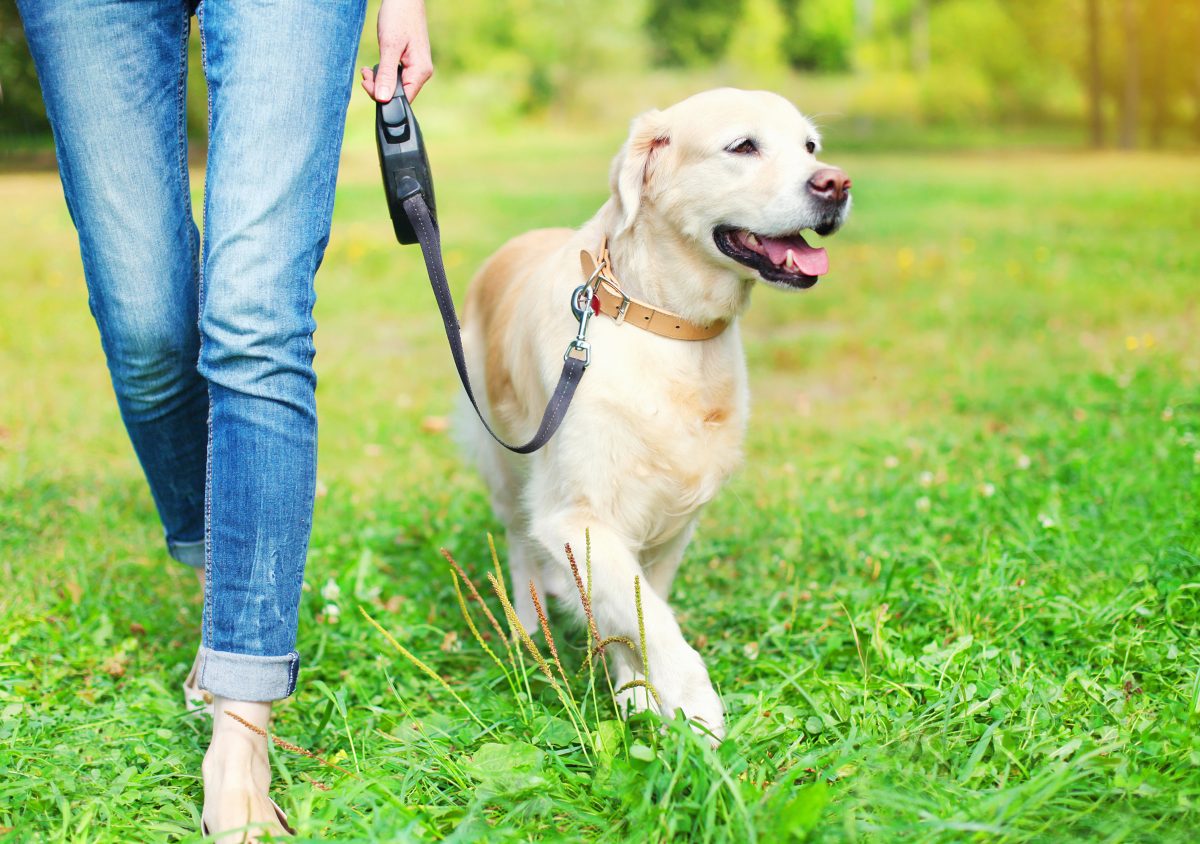
Therefore, dog owners should ensure their dogs have enough space for exercise and activity, such as walking, letting them run on a lawn, and providing appropriate toys. Of course, exercise and activity should also be suitable for the dog's age, size, and health condition to ensure their physical health and happiness.
2. Appropriate Diet
The second rule of dog ownership is that you must provide them with a good diet, which is an essential expense for dog ownership.
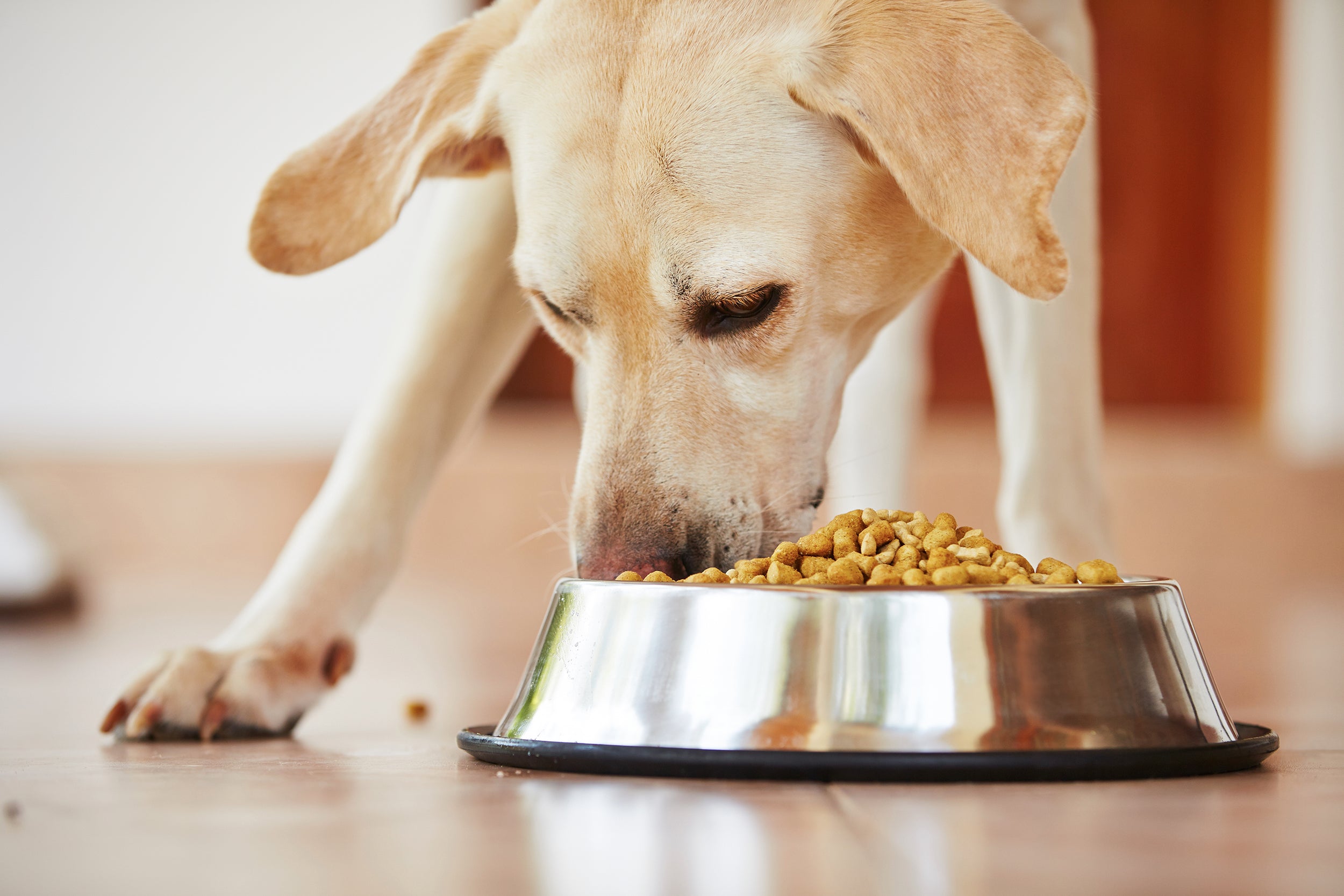
You should choose dry food that is appropriate for your dog's age, size, and activity level, and feed them regularly, supplementing vitamins and ensuring a clean water supply. More importantly, use toothbrushes, toothpaste, and deworming products.
To help clean your dog, remember to bathe and groom them about three times a month. Also, remember to use dog-specific shampoo; never use human shower gel!
When owning a dog, their diet is very important, as an improper diet can lead to health problems. Generally, dogs need a balanced intake of protein, carbohydrates, and fats, as well as vitamins and minerals.
Supplementary information on dog diet:
- Dogs aged one year and older are considered "adults." They no longer need the high nutrient intake of puppies. At this stage, you can choose dry and wet food that your dog enjoys and that suits their physical condition and lifestyle.
- Generally, there are no age restrictions for dog food, canned food, or fresh food. However, "senior dogs" may need a change in diet due to difficulty chewing, impaired digestion and absorption, and changes in metabolism and immune system.
- They can benefit from a higher proportion of protein to prevent muscle loss, careful attention to sodium intake limits, and appropriate supplements such as omega-3, glucosamine, and lutein.
3. Health Check-ups & Vaccinations
Before the examination, complete information about the dog must be established. The veterinarian will first conduct an inquiry to understand the dog's usual lifestyle, and then assess the pet's basic physical condition through visual inspection, palpation, and auscultation.
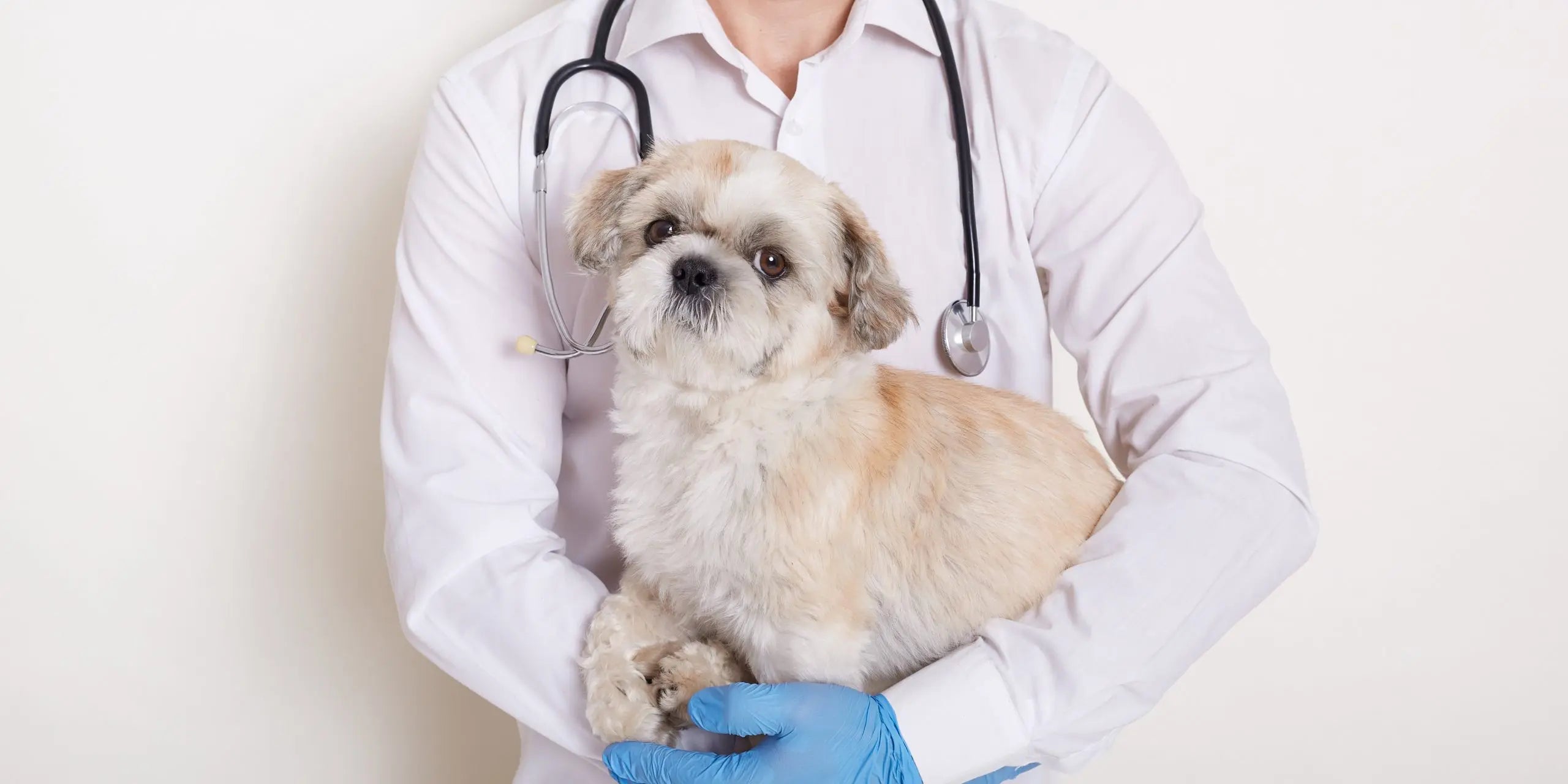
Blood tests, X-rays, and ultrasounds are also essential parts of a health check-up. Blood test reports can detect abnormalities invisible to the naked eye, including the dog's clotting function, organ health, and presence of parasites.
To help clean your dog, remember to bathe and groom them about three times a month. Also, remember to use dog-specific shampoo; never use human shower gel!
There are many types of dog vaccines, categorized into "core vaccines" and "non-core vaccines."
- Core vaccines: These vaccines prevent highly contagious and highly fatal major infectious diseases such as canine distemper, canine parvovirus, infectious canine hepatitis, and rabies.
- Non-core vaccines: These vaccines target diseases such as canine parainfluenza virus, leptospirosis, canine coronavirus, and Lyme disease, which are considered non-core vaccines in Taiwan.
The vaccines required for dogs are as follows:
- Rabies vaccine: Dogs must receive their first dose at 3 months old, followed by annual boosters. This is the most important vaccine for dogs, as rabies is a fatal disease that can cause severe health risks to humans.
- 5-in-1 vaccine: This covers prevention against canine distemper, kennel cough, canine toxoplasmosis, canine hepatitis, and canine coronavirus. The first dose is given when the dog is 2 months old, followed by annual boosters.
- Canine distemper vaccine: Canine distemper is a severe viral disease that can cause significant damage to a dog's respiratory, digestive, and nervous systems. The first dose is given when the dog is 6 weeks old, followed by annual boosters.
- Canine coronavirus vaccine: This virus can cause gastrointestinal upset and diarrhea in dogs. The first dose is given when the dog is 6 weeks old, followed by annual boosters.
In addition to the vaccines listed above, there are other vaccines, such as influenza vaccine and infectious canine hepatitis vaccine. The best advice is to consult your veterinarian to determine which vaccines your dog needs.
4. Cleaning Supplies
Just as humans need to brush their teeth and bathe daily, dental, body cleaning, and deworming for dogs are equally important.

While there are many dental chews and dental kibbles on the market, they are only supplementary for cleaning. Pet owners still need to use a toothbrush, toothpaste, and mouthwash to thoroughly clean their pet's teeth.
For body cleaning, remember to purchase "dog-specific" shampoo, as human and dog skin pH levels differ, and human shower gel should not be used for bathing dogs.
Bathing frequency can be once to four times a month. It's best to brush your dog's fur to untangle and remove loose hair before bathing.
5. Socialization Training
Dogs that have not undergone socialization training are prone to anxiety, fear, barking, running away, or attacking others in new environments and among people.
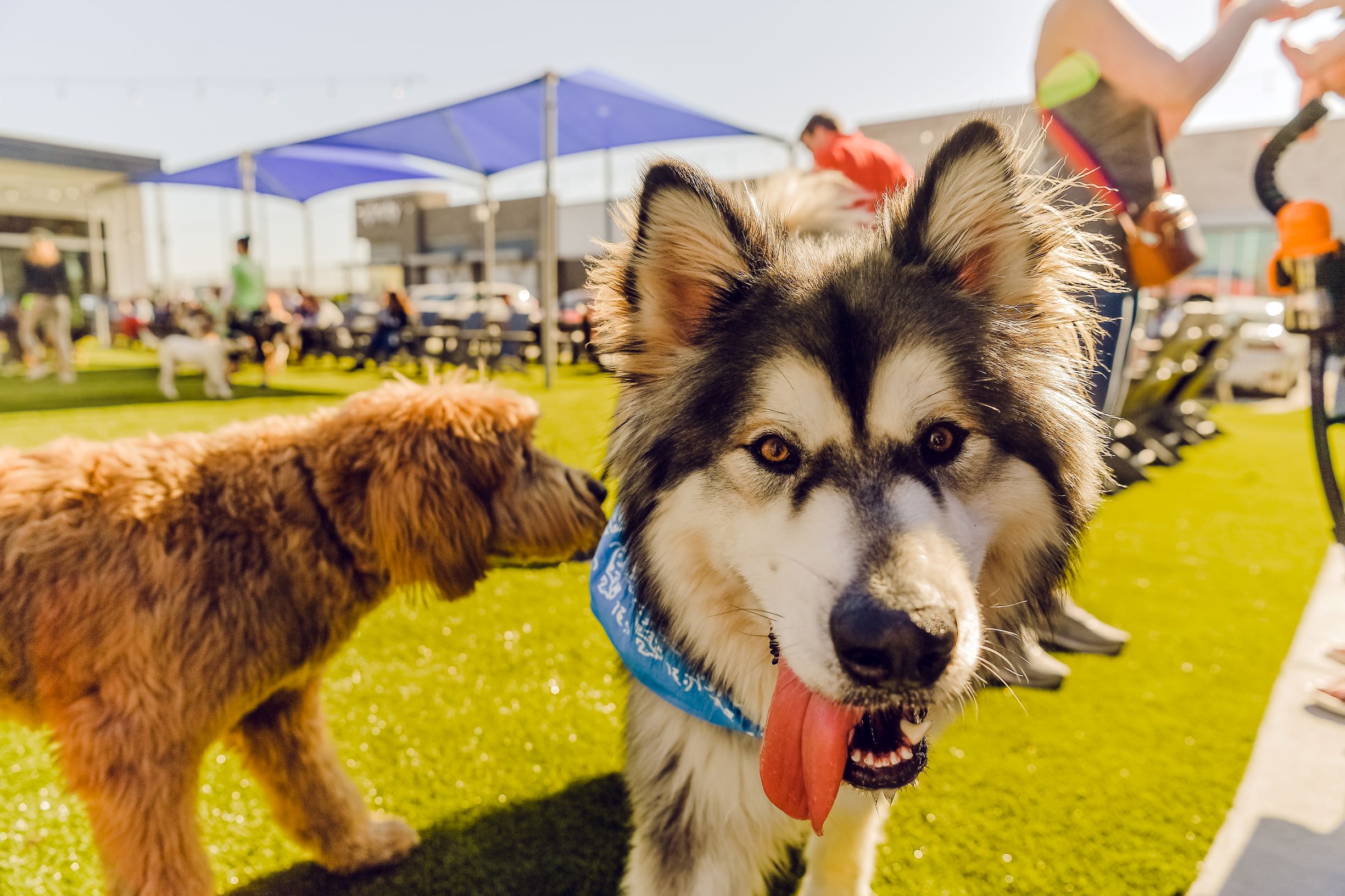
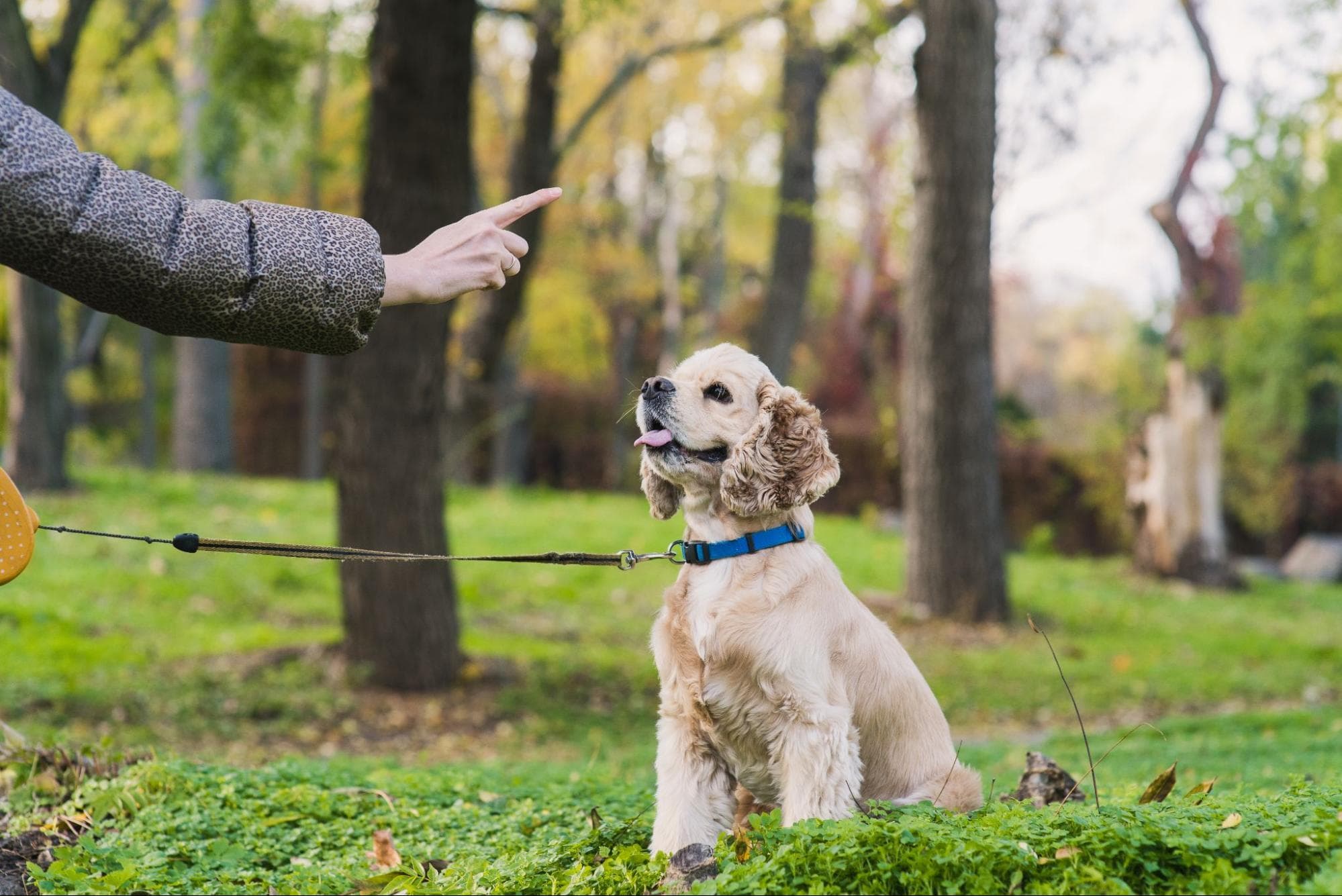
It is recommended to accustom puppies to people, leashes, noises, other pets, and environmental changes from an early age. However, every dog develops at its own pace. Pet owners must never use scolding or physical punishment. Instead, socialization training should be conducted through praise, rewards, and "positive reinforcement," which forms the basis for good interaction between dogs and their owners.
Providing appropriate training and socialization for dogs is very important so that they can coexist peacefully with other people and animals. Start with basic commands like sit, come, and stay.
This can make others feel more at ease when interacting with your dog. If you're unsure how to approach this aspect of dog ownership, you can start by consulting a veterinarian, dog trainer, or interacting with other dog owners.
6. Regular and Adequate Exercise
Dogs of different sizes and weights require varying amounts of exercise.
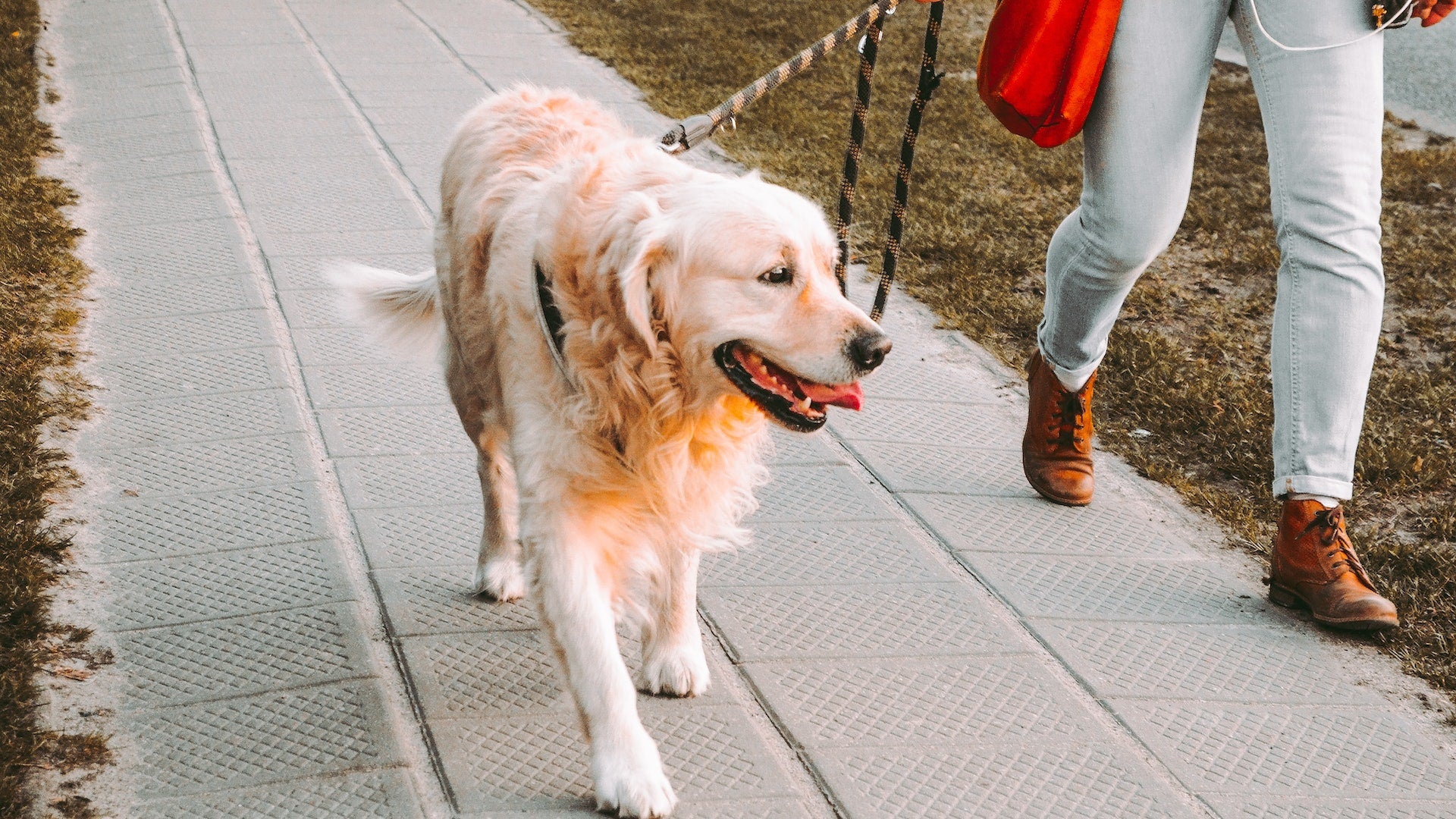
The larger the dog, the more exercise it generally needs. Therefore, after getting a dog, it's essential to set aside time each day for walks.
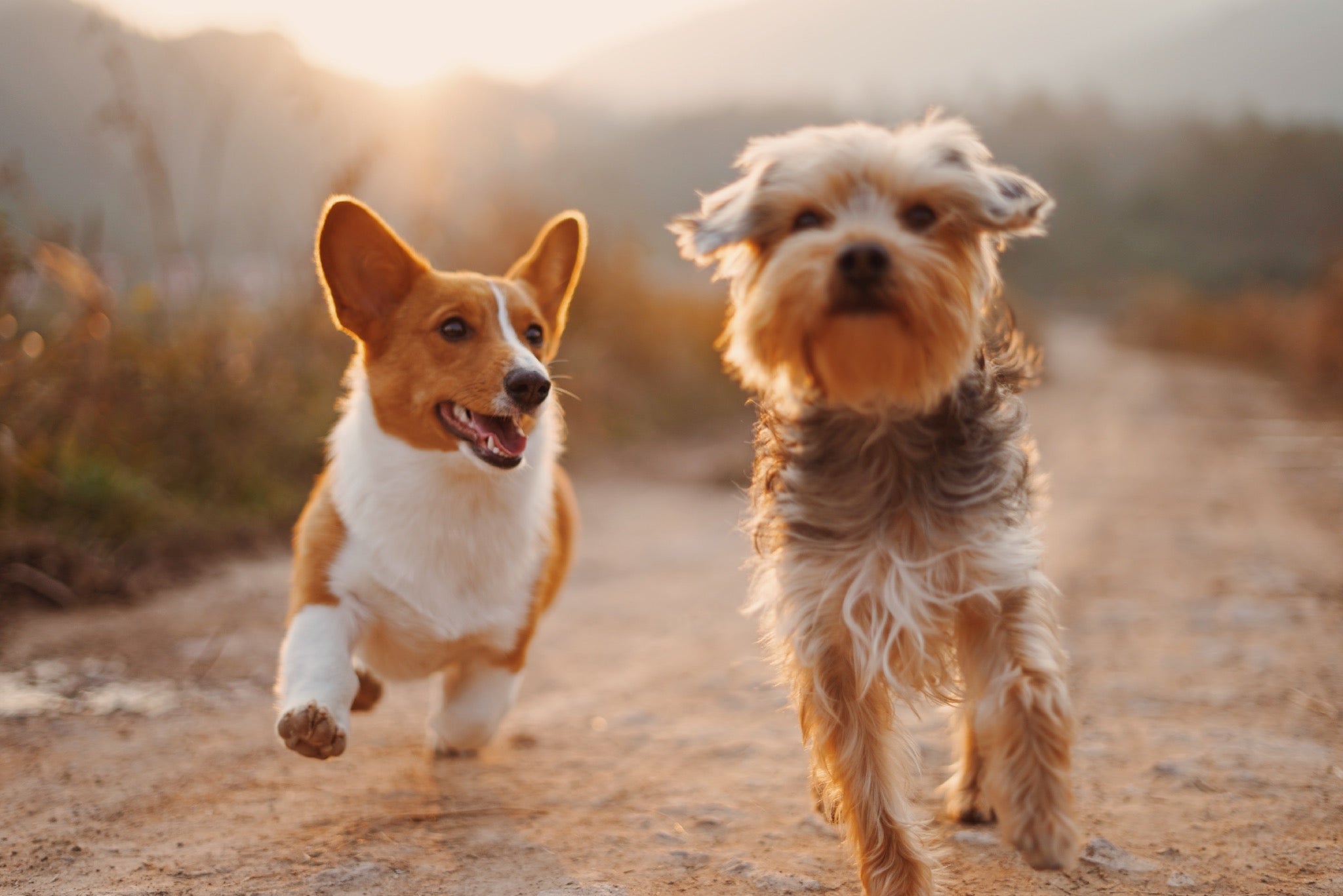
Some dogs don't like to relieve themselves indoors, so it's even more important to take advantage of outdoor time for potty breaks. This can also prevent issues like holding urine, drinking less water, or constipation.
7. Show absolute love and patience
When raising a dog and interacting with your furry friend, there will definitely be times when they don't listen or understand, and even cause trouble for their owners. For example, urinating or defecating indoors before being house-trained, chewing on household items, or even accidentally breaking or knocking over various objects.
At such times, owners must maintain good patience and love to guide and train their dogs. Never take your anger out on them or abandon them.
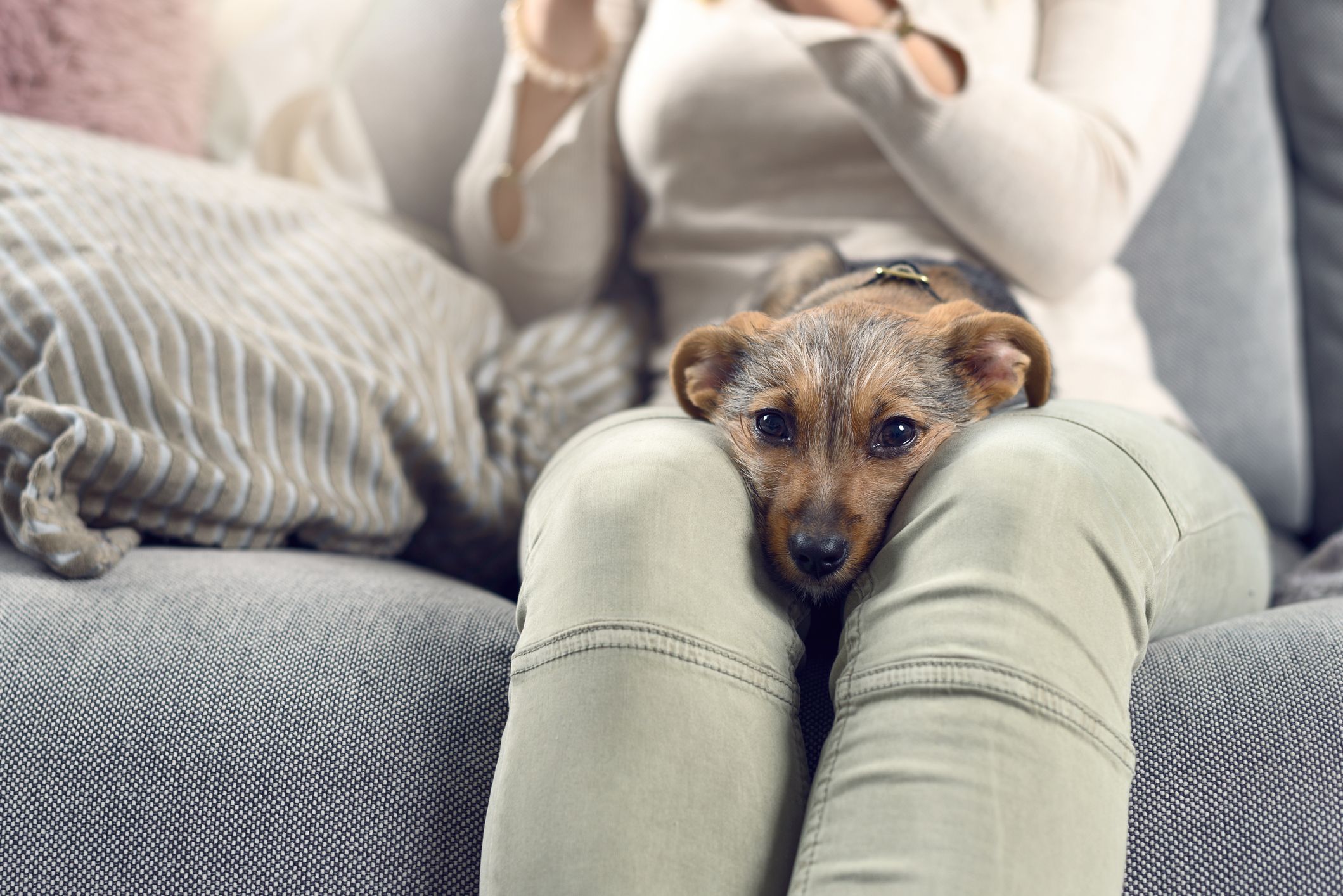
Before they are fully trained, they might pee or poop anywhere, chew on household items, or even accidentally break or knock over things. In these moments, it's crucial for owners to maintain patience and love, offering guidance and training. Never take your frustration out on them or abandon them; they are innocent. By cultivating a positive mindset and patience, and showering your dogs with more affection, your journey of dog ownership will be much more fulfilling!
Summary
Owning a dog is not just about enjoying their presence; it's a significant responsibility. Besides love, dog ownership requires patience, time, and considerable financial commitment.
In Hong Kong, pet ownership, especially dog ownership, is a very common family activity. If you're considering getting a dog, you need to prepare thoroughly before bringing them home to ensure they live in a safe and comfortable environment.
Caring for a dog takes time and effort, but it's incredibly rewarding. By following the tips provided in this article, you can ensure your furry friend is well taken care of.


